What to Expect From the Best Drunken Noodle Near Me
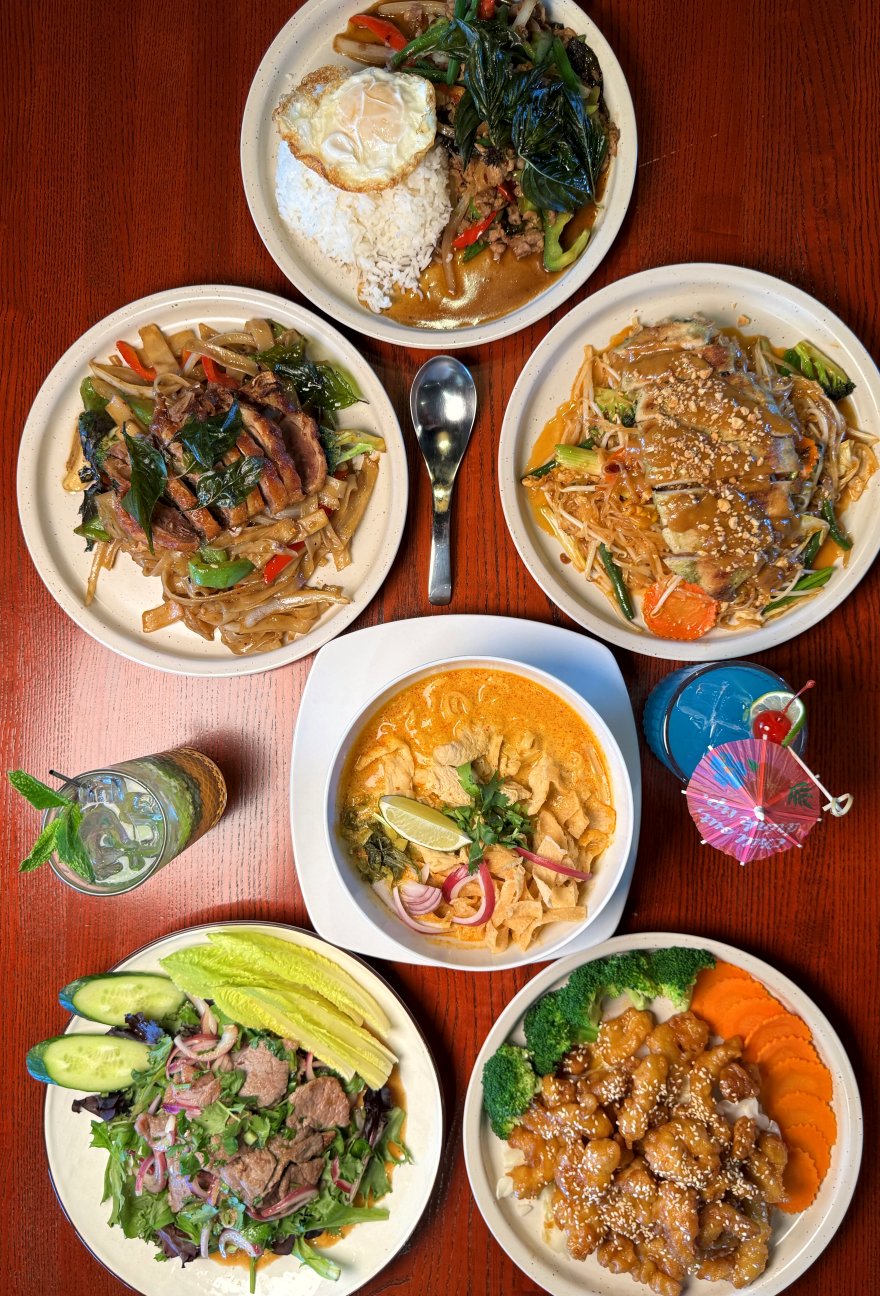
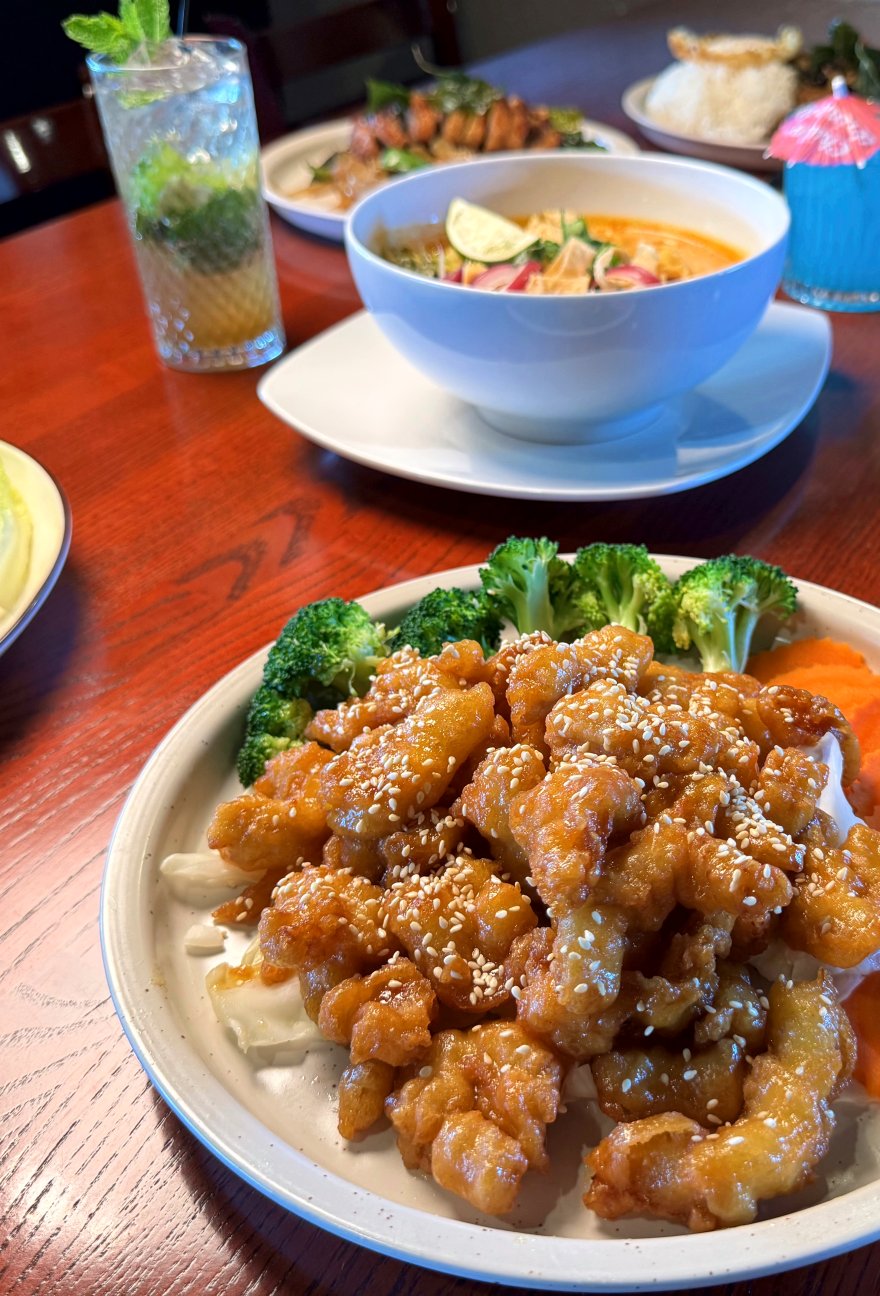
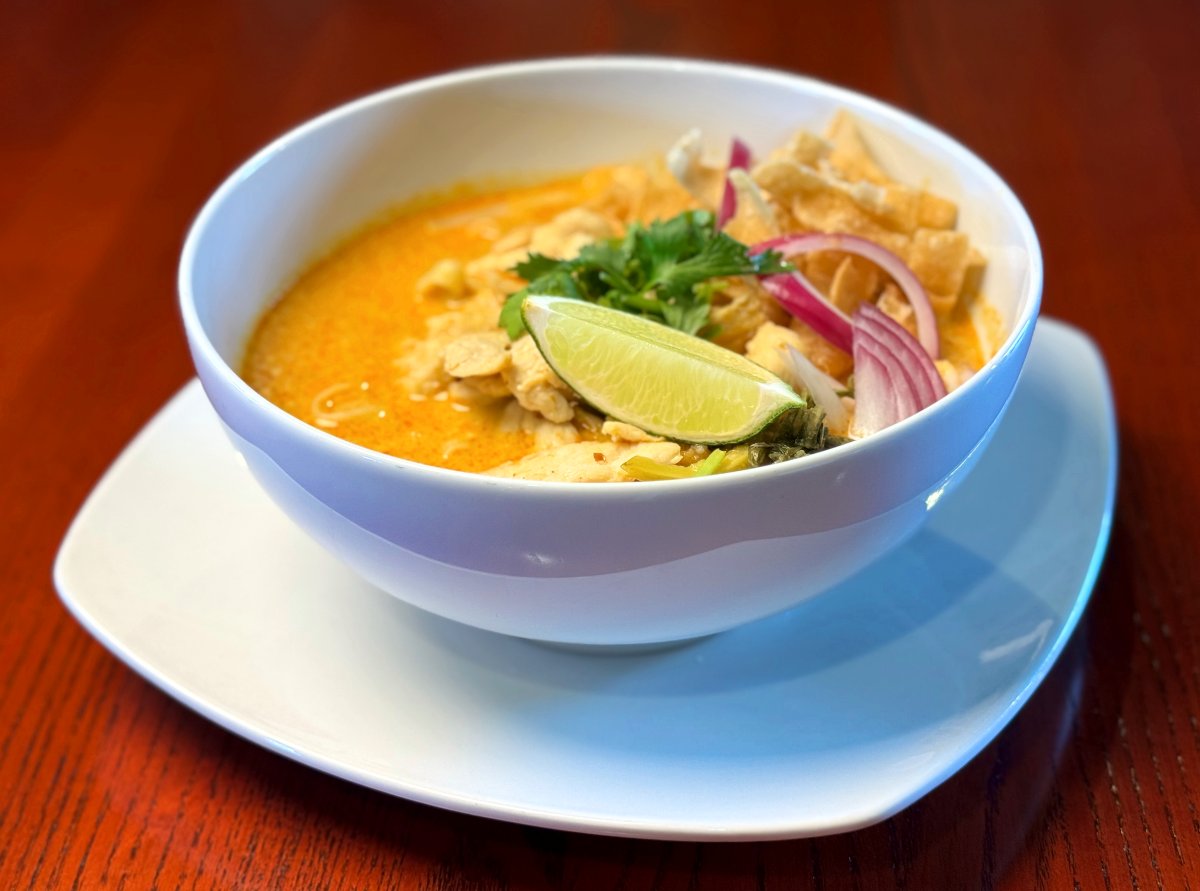
The search for great Thai food usually starts with a craving and ends with a judgment call. You type in Drunken Noodles Near Me, scan a few photos, glance at ratings, maybe read two or three reviews, and hope the plate that arrives is worth both the money and the anticipation. That process sounds simple, but drunken noodle is one of those dishes that exposes the difference between a restaurant that merely serves Thai food and one that understands balance, heat, texture, and timing.
A truly good Drunken Noodle should not feel generic. It should not taste like sweet soy noodles with a few vegetables scattered through the box. It should have character. The wide rice noodles should hold sauce without turning gummy. The basil should announce itself. The heat should register, but not bulldoze every other flavor. And the whole dish should arrive with enough freshness and structure that you can tell it was cooked with intention, not assembled by habit.
If you have ever ordered pad kee mao from three different places in the same neighborhood, you already know how dramatic the variation can be. One restaurant serves a smoky, spicy plate that tastes alive. Another sends out noodles that are wet, flat, and over-sugared. That gap is why it helps to know what you are actually looking for before you order.
What drunken noodle is supposed to be
Drunken noodle, often known on menus as pad kee mao, is a stir-fried noodle dish built around broad rice noodles, Thai basil, vegetables, and a savory sauce that usually leans on soy-based seasoning, garlic, chili, and a touch of sweetness. It often includes a protein such as chicken, beef, shrimp, pork, tofu, or a seafood combination. Despite the name, the dish does not contain alcohol. The name is generally tied to the boldness of the flavors, the kind of food people reach for late at night or after drinks, though stories vary by region and restaurant.
The best versions carry a little chaos in a good way. They are bold, fragrant, spicy, and slightly messy, but never careless. When a cook knows the dish well, every bite lands with contrast. The noodles are soft but still resilient. The vegetables retain some snap. The sauce coats rather than pools. Basil and chili lift the whole thing so it does not sink under its own richness.
That distinction matters because drunken noodle is often misunderstood as simply the spicy cousin of pad see ew. They may share broad rice noodles and a wok, but the flavor profile should be noticeably different. Pad see ew tends to be darker, sweeter, and calmer. Drunken noodle should feel more aromatic and more aggressive, with basil and spice taking a clear lead.
The first sign of quality is the noodle itself
If you want to know whether a restaurant really knows how to make drunken noodle, start with the noodles. Wide rice noodles are not forgiving. They can tear, clump, dry out, or turn mushy if they are not handled properly. In a busy kitchen, especially during dinner rush, consistency takes real skill.
The best noodles have a slight chew and a glossy surface from the sauce. They should separate easily with chopsticks or a fork, even if a few strands naturally cling together. What you do not want is a dense brick of fused noodles or a container full of slippery strips swimming in liquid. Either problem tells you the heat, timing, or sauce ratio was off.
There is also a visual cue experienced diners notice right away. Good drunken noodle usually shows a little unevenness from stir-frying at high heat. Some edges may be darker. A few noodles may have slight char or caramelization. That is not a flaw. It is often the part that gives the dish depth. When everything looks uniformly pale brown and soft, it often eats the same way.
Fresh noodles can make a noticeable difference, but even restaurants using packaged rice noodles can produce an excellent dish if the cook understands hydration and wok timing. Technique matters more than marketing language. A menu that says “authentic” proves nothing. A plate of well-cooked noodles proves a lot.
Sauce should coat, not drown
People often focus on spice when they talk about drunken noodle, but sauce is where many restaurants either succeed or lose the plot. The dish should taste savory first, aromatic second, and sweet only in support. A slight sweetness is normal. Heavy sweetness that turns the whole bowl into sticky takeout candy is not.
The sauce should cling to the noodles and vegetables in a thin, glossy layer. If you open a takeout container and find liquid sloshing into one corner, the dish is already compromised. Rice noodles absorb and soften as they sit. Excess sauce keeps cooking the texture after it leaves the kitchen, which means the last third of the meal can turn limp fast.
Salt balance matters just as much. Soy-based sauces can go from bold to harsh in a hurry. The strongest drunken noodle plates manage to taste seasoned without tasting simply salty. Garlic, chili, basil, and sometimes onion and bell pepper all help round out that profile. If the dish tastes like straight soy and sugar with heat piled on top, something is missing.
There is also a practical reality with delivery. Even a well-made drunken noodle changes during transport. Steam collects. Noodles continue to soften. Sauce settles. A good restaurant accounts for that. Some places intentionally under-sauce the dish a touch for delivery so it arrives balanced instead of soggy. That kind of adjustment is usually invisible to customers, but it is often what separates a solid order from a disappointing one.
Heat should be deliberate, not reckless
One reason people search specifically for Drunken Noodles Near Me is the promise of spice. That makes sense. At its best, this dish has real heat and real energy. But spice should never be a cover for weak cooking.
A strong version delivers layered heat. Fresh chili hits quickly. The garlic blooms underneath. Basil cools and perfumes the palate just enough to keep you coming back for another bite. Poor versions simply dump in crushed chili or a heavy chili paste until the dish tastes one-note and punishing. Spicy food should still taste like food.
Many Thai restaurants offer customizable spice levels, and that can be both helpful and misleading. At one restaurant, medium might barely register. At another, medium can make your forehead sweat halfway through the meal. If you are trying a place for the first time, ordering one level below your usual comfort zone is often the smart move, especially for takeout. You can always add chili flakes or sauce at home. It is much harder to rescue a dish that has crossed into pure pain.
If you love spice, judge the restaurant on finesse, not on its willingness to challenge you. The best kitchens know how to make a dish hotter without flattening everything else. That is a harder skill than people think.
Basil is not a garnish here
A lot of disappointing drunken noodle dishes treat basil like decoration. A few wilted leaves tossed on top at the end do not do enough. Basil is central to the dish’s identity. Thai basil, in particular, brings a peppery, faintly anise-like aroma that cuts through the richness and gives the noodles lift.
When basil is fresh and used generously, you smell it before you fully taste it. It threads through the steam as soon as the container opens. That fragrance is one of the clearest signals that your meal came from a kitchen that respects the dish. If the noodles are hot, dark, and salty but the aroma is missing, the whole experience feels flatter.
This is one reason drunken noodle can be hit or miss across restaurants that otherwise perform well. Basil is delicate, and inventory quality varies. Some places substitute regular sweet basil when supply gets tight. That is understandable, but the result usually tastes softer and less distinctive. It is still edible, sometimes still enjoyable, but it loses some of the sharp, herbal edge that makes the dish memorable.
Vegetables and protein reveal the kitchen’s standards
A restaurant can hide a lot behind sauce. It cannot hide how it treats vegetables and protein. Drunken noodle often includes onion, bell pepper, baby corn, broccoli, green beans, mushrooms, or tomato depending on the house style. Those choices vary, and variation itself is not a red flag. What matters is whether the vegetables still have life when they hit the table.
Onions should soften without vanishing. Bell peppers should keep some crunch. Broccoli should not collapse into gray-green fatigue. If every vegetable feels steamed into submission, the wok work was careless or rushed. High-heat stir-fry is about speed and control. Great kitchens preserve texture while still integrating the ingredients.
Protein tells a similar story. Chicken should be moist, not cottony. Beef should be sliced in a way that stays tender under fast heat. Shrimp should be plump and cooked through, not curled into rubber commas. Tofu should have some structure, especially if the restaurant claims to do a strong vegetarian version. In many restaurants, tofu drunken noodle is actually a very useful benchmark because tofu shows both seasoning and technique so clearly. Bland tofu means bland thought.
One common mistake is overloading the dish with protein at the expense of noodle balance. That may sound generous, but too much protein can make the whole bowl feel heavy and awkward. The dish works best when noodles lead, protein supports, and vegetables create relief.
What the aroma should tell you before the first bite
Experienced diners often trust smell before anything else, and with drunken noodle that instinct serves you well. The first wave should be savory and herbal, with garlic and basil clearly present. Depending on the house style, you may also catch a little wok char, which adds appetite immediately.
If all you smell is sweetness, the dish is probably skewed in the wrong direction. If you smell mostly oil, the wok was likely overloaded or not hot enough. If there is almost no aroma at all, that usually means the seasoning is timid, the basil is weak, or the dish sat too long before it reached you.
Aromatics are not a luxury detail. They are part of how flavor begins. One of the pleasures of a great drunken noodle is that it announces itself before the first bite. The steam carries information. A restaurant that gets this dish right tends to understand that sensory sequence very well.
Takeout and delivery change the standard, but not the expectation
Drunken noodle is a restaurant dish that often gets eaten from a takeout box on a weeknight. That context matters. Nobody should expect a delivered stir-fry to behave exactly like a plate served seconds off the wok. The question is not whether delivery changes the dish. It does. The question is whether the restaurant builds around that reality skillfully.
The best takeout version holds up for 20 to 30 minutes without turning into a steamed tangle. That means a little restraint with sauce, vegetables that are not overcooked, and packaging that vents just enough to avoid trapping excessive moisture. Some restaurants use containers that keep the noodles broad and spread out rather than compressed into a deep block. That small packaging choice can make a visible difference by the time you start eating.
If you are dining in, the benchmark rises. You should expect more texture, more fragrance, and more separation in the noodles. This is where a restaurant’s best version usually appears. If a place cannot produce a lively plate in house, delivery is not likely to save it.
There is also a timing issue at home. Letting drunken noodle sit unopened for ten or fifteen minutes can soften the entire dish. If you order in, eat it promptly. If you need to wait, crack the lid slightly to vent steam. That one habit has rescued more noodle dinners than most people realize.
Regional style and house style both matter
Not every excellent drunken noodle looks exactly the same. Some restaurants make it darker and more savory. Others lean into fresh chili and basil so the dish tastes brighter and sharper. Some use more vegetables. Some build a stronger char. Some serve it almost dry, others with a little more gloss.
That range is normal, and it can be part of the fun. The key is coherence. A house style works when the elements still point in the same direction. Even if a version is sweeter or saucier than your personal ideal, it can still be well made if the noodles are intact, the basil is present, the heat is balanced, and the components feel intentional.
Where diners get frustrated is when variability comes from inconsistency rather than style. You order from the same place twice and receive two completely different dishes. One is fiery and aromatic, the next bland and damp. That kind of swing usually reflects staffing, prep quality, or rush-hour execution. It is one of the strongest clues that a restaurant may be uneven, even if its peak performance is good.
How to read a menu and reviews without getting fooled
Searching for Drunken Noodles Near Me means relying, at least in part, on digital clues. Those clues help, but they need interpretation. A high rating alone does not tell you whether the restaurant excels at noodle dishes, curries, or appetizers. Photos can help, though customer photos are often more revealing than polished menu images.
Look for signs of actual wok cooking. In photos, the noodles should look coated but not soupy. Basil should be visible. Vegetables should still have shape and color. If every image shows a uniformly dark, glossy pile with no distinction between ingredients, set your expectations carefully.
Reviews are useful when they mention specifics. “Great food” tells you very little. “The basil came through, the noodles stayed chewy even in delivery, and medium spice had real heat” tells you much more. Consistent praise for freshness, balance, or wok flavor usually means something. Repeated complaints about sogginess, excessive sweetness, or wildly inconsistent spice levels also usually mean something.
A short, practical filter can help:
- Look for photos with visible basil, wide intact noodles, and vegetables that still look fresh.
- Read the most recent reviews, not only the top-rated ones.
- Give extra weight to comments about texture, spice balance, and delivery quality.
- Check whether the restaurant seems strong across stir-fried noodle dishes, not just one signature item.
- If trying a new place, order a standard protein and a moderate spice level first.
That kind of first order tells you more than a highly customized request ever will. You want to see how the kitchen handles the fundamentals before you ask it to improvise.
The best restaurants get the little things right
Small operational details often predict whether drunken noodle will be good. Restaurants that control portioning well tend to balance sauce better. Kitchens that prep vegetables thoughtfully tend to preserve texture. https://maps.app.goo.gl/wEbpDYfz5VjY5inF9 Staff who know how to answer a quick question about spice level or basil substitution usually understand the menu they are serving.
One thing I have noticed over time is that restaurants with strong drunken noodle often show the same discipline in adjacent dishes. Their pad see ew is not cloying. Their basil fried rice tastes fresh rather than oily. Their larb has brightness. In other words, good drunken noodle rarely exists in isolation. It tends to be part of a broader pattern of careful cooking.
Packaging can also say more than people think. If sauces are leaking, noodles are compressed beyond recognition, or garnishes are tossed in carelessly, the restaurant may be less attentive overall. That does not automatically doom the food, but details often travel together. Care in packaging frequently accompanies care in execution.
What “best” actually means for your order
The best drunken noodle near you may not be the most expensive option, the trendiest dining room, or the place with the loudest social media presence. “Best” is usually a practical mix of flavor, consistency, ingredient quality, and how well the dish survives the way you plan to eat it.
For lunch, you may want a place that serves a slightly lighter version with more vegetables and restrained oil. For a late dinner, you may prefer something smokier, richer, and hotter. If you are ordering for delivery after a long day, consistency may matter more than peak brilliance. A restaurant that produces a very good dish every time can be more valuable than one that occasionally produces a great dish and often misses.
This is also where preference enters honestly. Some diners want serious spice. Others care more about basil aroma. Some want extra protein. Others want the noodles to dominate. None of those preferences are wrong. They simply shape what “best” means in practice. The important part is knowing the markers of quality so you can tell the difference between style and shortcuts.
A few warning signs worth taking seriously
There are certain patterns that repeatedly show up in disappointing orders. Once you know them, it becomes easier to avoid wasting both appetite and money.
- The dish is noticeably sweet before it is savory.
- The noodles arrive broken, mushy, or fused into a solid mass.
- Basil is sparse, absent, or clearly an afterthought.
- Vegetables are limp and overcooked across the board.
- Every spice level review describes the restaurant as random or inconsistent.
Any single issue might be a one-off. Several together usually point to a kitchen that does not have strong command of the dish.
Why a great drunken noodle keeps you coming back
There is a reason this dish becomes a regular order for so many people. At its best, drunken noodle hits multiple cravings at once. It is comforting, but not sleepy. Spicy, but still savory. Rich, but lifted by basil and heat. It feels substantial without needing much ceremony. A good version can work as a quick solo lunch, a takeout dinner, or the plate everyone at the table keeps reaching into even after saying they are full.
That staying power comes from balance, not excess. The best restaurants understand that. They do not chase impact with sugar, oil, or brute-force spice. They build a dish that has momentum from the first bite to the last. That is why people remember certain places and keep searching them out specifically when the craving hits.
So when you search for Drunken Noodles Near Me, expect more than a generic noodle stir-fry. Expect broad rice noodles that still have chew, a sauce that coats instead of floods, basil that actually matters, vegetables with texture, and spice that tastes deliberate. Expect a dish that arrives with aroma, energy, and enough structure to hold together from the first forkful to the final bite. That is what separates a forgettable order from the kind of drunken noodle you start craving again before the container is even empty.
Nakhon Luang Thai Kitchen
Address: 805 Village Center Dr, Colorado Springs, CO 80919
Phone number: +17195315175
FAQ About Drunken Noodles Near Me
What makes it drunken noodles?
Drunken noodles, or Pad Kee Mao, get their name from the Thai word khi mao (meaning "drunkard"). They contain no alcohol. The name comes from the idea that the dish is a popular late-night meal to cure a hangover or a great food to eat with a cold beer.
What is the difference between pad see ew and drunken noodles?
While both Pad See Ew and Drunken Noodles use the same wide rice noodles, Pad See Ew is a mild, sweet-savory dish made with dark soy sauce and Chinese broccoli, whereas Drunken Noodles (Pad Kee Mao) are fiery, garlicky, and herbaceous with fresh chilies and Thai basil.
What are traditional drunken noodles?
Traditional drunken noodles, known as Pad Kee Mao in Thai, are a fiery, savory street food stir-fry made with wide flat rice noodles, fresh garlic, lots of hot chilies, meat or tofu, and fragrant holy basil. Despite the name, they contain no alcohol; the dish is traditionally eaten late at night or as a hangover cure because the intense spice helps clear the head.