How to Enjoy Jamaican Food Beyond Jerk Chicken
Jerk chicken has become the global shorthand for Jamaican food, and for good reason. When it is done well, it is unforgettable, smoky, spicy, aromatic, and just a little sweet around the edges. The problem is not the dish itself. The problem is what happens when it becomes the only thing people order, the only thing restaurants promote, and the only flavor profile outsiders expect from a cuisine with far more range than it gets credit for.
Anyone who has spent time eating across Jamaica, or simply paying attention in serious Jamaican kitchens elsewhere, knows the food is broader, more nuanced, and more regionally expressive than the stereotype suggests. There are peppery soups that feel restorative after a long day, slow-cooked stews with deep savory notes, delicate breakfast staples that reveal the island’s resourcefulness, and side dishes that can carry a meal on their own. The cuisine reflects African, Indigenous Taíno, British, Indian, Chinese, and Middle Eastern influences, but those influences are not academic footnotes on a menu. They live in the seasoning, the starches, the pickling methods, the use of offal, the handling of fish, and the instinct to build big flavor from humble ingredients.
If you want to enjoy Jamaican food more fully, the first step is simple. Stop treating jerk as the main event every time. Think of it instead as one brilliant chapter in a much longer story.
The real shape of a Jamaican meal
One of the easiest ways to miss the richness of Jamaican food is to order as if you are choosing from a grill menu. Jamaican eating often revolves around combinations: a protein, a starchy side, something saucy or soupy, something fresh or sharp, and often a drink that cools, balances, or complements the spice. Texture matters as much as heat. So does time of day.
Breakfast, for example, can be one of the best windows into the cuisine. A plate of ackee and saltfish with boiled green banana, dumpling, and yam tells you far more about Jamaican habits of eating than yet another order of jerk wings. Lunch may lean toward rice and peas with curry goat, brown stew chicken, or escovitch fish. At night, soup might show up not as a starter but as a substantial, almost ceremonial dish, especially on weekends. Street food and patties fit into daily life differently from a sit-down Sunday dinner.
That matters because enjoying Jamaican food beyond jerk chicken is not just about sampling more dishes. It is about understanding the logic of the table. Once you do, the cuisine opens up quickly.
Start with ackee and saltfish, the dish that teaches balance
If there is one dish that deserves wider appreciation, it is ackee and saltfish. It is Jamaica’s national dish, but many first-time diners hesitate because ackee is unfamiliar and saltfish sounds austere. On the plate, though, the combination is elegant. Ackee, when cooked properly, has a soft, almost buttery texture. Salt cod brings salinity and structure. Onion, tomato, thyme, scallion, and Scotch bonnet add brightness and aroma rather than brute force.
The genius of the dish lies in restraint. A heavy hand ruins it. Too much saltfish and it becomes aggressive. Too much heat and you lose the gentle richness of the ackee. Too much stirring and the ackee breaks down into mush. Good cooks know that the dish should look loose and natural, not compacted or overmixed.
It is also a dish that makes sense with the right companions. Boiled green bananas add a faint vegetal firmness. Fried dumplings bring chew and comfort. Roasted breadfruit adds starch with a smoky edge if it is cooked over flame. The whole plate shows something important about Jamaican food: complexity does not always come from layering more ingredients. Often it comes from contrast, from the right elements side by side.
Let the stews do the heavy lifting
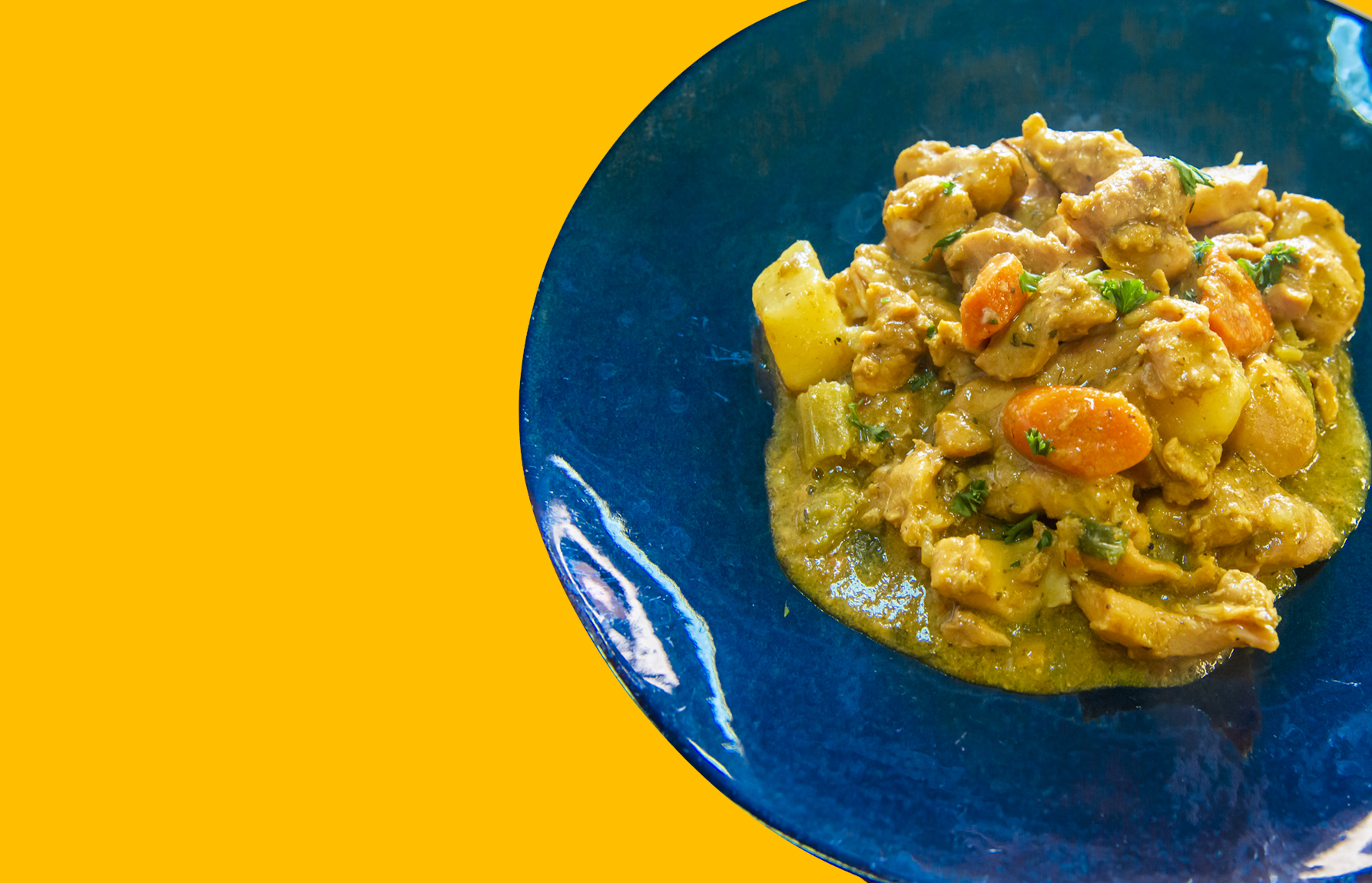
If jerk is the cuisine’s loudest export, the stews are often its deepest expression. Brown stew chicken, curry goat, oxtail, and cow foot each reveal a different style of patience. These are dishes that reward slow cooking, proper browning, and the confidence to let connective tissue, bone, fat, and seasoning work together over time.
Brown stew chicken is a useful place to begin because it seems familiar until you taste a good version. The chicken is often marinated, then browned before simmering with onion, sweet pepper, thyme, garlic, and sometimes ketchup or a touch of browning sauce to give the gravy its dark color and slight caramel bitterness. A good brown stew chicken has a rich gravy that clings to rice without turning gluey. The sweetness should sit in the background. The savory notes should lead.
Curry goat offers another side of Jamaican cooking. It shares ancestry with Indian curries, but it is distinctly Jamaican in its seasoning and structure. The curry powder is usually assertive, often earthy and toasted, with allspice and Scotch bonnet in the mix. The goat should be tender but not collapsing. If it falls apart into stringy softness, it has gone too far. The best versions hold shape while yielding easily, and the sauce should taste developed rather than flour-thickened.
Oxtail is the dish many people graduate to once they realize Jamaican food rewards slow braises. It has become expensive in many places, which means restaurant versions vary wildly in value. At its best, oxtail is sticky, glossy, and rich with gelatin, often cooked with broad beans and enough spice to cut the fattiness without overwhelming it. This is not a light meal. It is meant to satisfy fully, and it pairs best with plain white rice or rice and peas that can absorb the gravy.
Do not overlook the fish counter
Jamaica is an island, yet many diners abroad approach Jamaican food as if it begins and ends with chicken. That is a mistake. Fish preparations are some of the most vivid and texturally exciting in the cuisine.
Escovitch fish is the classic example. A whole fish, often snapper, is fried until the skin is crisp and the flesh just cooked through, then topped with a tart, spicy dressing of vinegar, onion, carrot, Scotch bonnet, and pimento. The point is contrast. You have crisp skin against pickled vegetables, hot fish against sharp acidity, sweetness from carrot against the bite of onion and pepper. It should wake up the palate immediately.
Steam fish is a different experience altogether. Where escovitch is angular and lively, steam fish is gentle, fragrant, and broth-driven. It often includes okra, pumpkin, carrot, cho cho, thyme, and peppers simmered with the fish until everything perfumes the broth. This is a dish that rewards careful cooking. The fish should remain moist and intact, and the broth should taste clean rather than murky.
If you come across run down, especially with mackerel, order it. The name refers to the reduction of coconut milk into a savory sauce, often with onion, tomato, thyme, and pepper. It can be deeply comforting, especially with dumplings or green banana. It also reminds diners that coconut in Jamaican food is not merely a sweet ingredient. It is structural, savory, and often essential.
Patties are not an afterthought
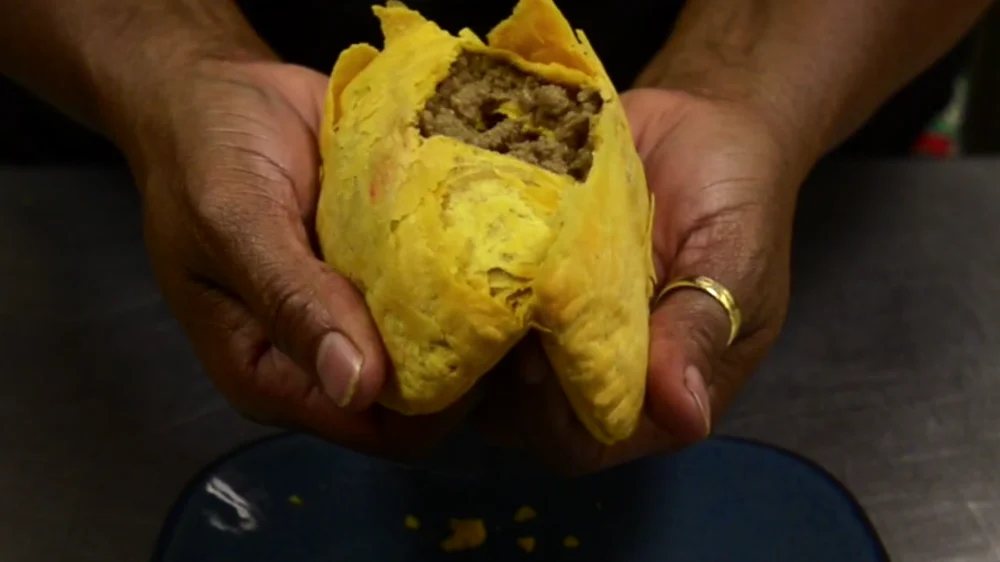
Many people meet Jamaican patties in a bakery case, eat one on the run, and file it away as a snack. A proper patty deserves more respect than that. It may be portable, but it is a refined piece of everyday cooking.
The crust should be flaky, tender, and lightly stained with turmeric or annatto, depending on the recipe. The filling should be moist without soaking the https://www.google.com/maps?cid=11425353456438405488 pastry. Beef is the standard entry point, but chicken, vegetable, saltfish, and spicy beef all have their place. The best patties carry heat in a measured way. You should taste the meat and spice blend first, then feel the warmth bloom.
A patty inside coco bread is one of those combinations that tells you a lot about Jamaican eating habits. It is practical, soft against flaky, rich but not heavy if the balance is right. In a bakery setting, a patty with a soda can be lunch. In a longer day of eating, it is a bridge between meals.
This is also a useful lesson in how to judge a Jamaican bakery. If the pastry is thick, dry, or bland, expectations for the rest of the menu should come down. If the patty is excellent, chances are good that the kitchen pays attention.
The side dishes are not side characters
A common mistake in restaurants is to treat rice and peas, plantain, festival, bammy, and breadfruit as filler. In Jamaican food, starches and sides often define the meal’s rhythm. They cool, absorb, frame, and sharpen the dishes around them.
Rice and peas, usually made with kidney beans or gungo peas depending on the occasion and season, should not taste like plain rice with beans stirred in afterward. The rice is typically cooked with coconut milk, thyme, scallion, and often garlic, so each grain carries flavor. When done well, it is fragrant and subtle, not heavy or greasy.
Fried ripe plantain contributes sweetness and softness. Festival, a slightly sweet fried dough, works especially well with fried fish and spicy meats because it buffers heat while adding crisp edges. Bammy, made from cassava, can be soaked and fried until it becomes chewy in the center and crisp outside. Breadfruit can be roasted, boiled, or fried, and each preparation changes its role on the plate. Roasted breadfruit, especially, has a nutty depth that pairs beautifully with saltfish, mackerel, or anything saucy.
Callaloo deserves mention here too, even though it can function as a main element. Cooked down with onion, garlic, tomato, thyme, and pepper, it brings minerality and softness, somewhere between spinach and amaranth in spirit, though not exactly either. It is one of the dishes that quietly rounds out a table.
Soups and porridges tell you how Jamaicans really eat
Visitors sometimes think of soup as a starter because that is how many restaurant menus frame it. In Jamaican food, soup can be the meal. It is often substantial, deeply seasoned, and tied to routine, weather, and even social ritual.
Saturday soup has near-mythic status in many Jamaican households and communities. Mannish water, red peas soup, chicken foot soup, fish tea, and pumpkin soup each have their own following. Fish tea, despite the name, is not tea in the usual sense. It is a clear, peppery fish broth, often sharpened with thyme, scallion, garlic, and Scotch bonnet. It can be surprisingly delicate if made with care. Red peas soup is more robust, built with beans, salted meat or beef, ground provisions, and dumplings. It eats like an entire afternoon.
Porridge is another category that outsiders often miss. Cornmeal porridge, peanut porridge, banana porridge, and hominy corn porridge speak to a breakfast culture grounded in warmth and satiety. These are not plain bowls meant only to fill space before a workday. A proper Jamaican porridge has body, spice, and a sense of intention, often with cinnamon, nutmeg, vanilla, and condensed milk or coconut milk, depending on the style.
If you really want to understand Jamaican food, spend time with what people eat before noon and on ordinary weekends. The cuisine reveals itself there more honestly than it does in a tourist-facing grill platter.
How to order if you are new to the cuisine
You do not need encyclopedic knowledge to branch out successfully. You need a little strategy and a willingness to balance bold choices with familiar anchors.
- Pair one unfamiliar main with one familiar side, such as ackee and saltfish with fried dumpling, or escovitch fish with rice and peas.
- Ask how spicy a dish is prepared in that specific kitchen, because Scotch bonnet levels vary more than many menus admit.
- Order for contrast, not repetition, so avoid getting jerk chicken, curry chicken, and spicy beef patty all in the same meal.
- If a restaurant specializes in weekend soups or seafood, follow the specialty rather than defaulting to poultry.
- Share dishes when possible, because Jamaican portions are often generous and the cuisine shines in variety.
That approach keeps the meal coherent. It also prevents the fatigue that can happen when every dish on the table competes in the same register of heat and smoke.
What to drink, and why it matters
Pairing matters more with Jamaican food than many people realize. Sweetness, acidity, spice, and richness all show up frequently, and the wrong drink can flatten a meal.
A cold sorrel drink, especially around the holidays, has tartness and spice that hold their own against rich dishes. Ginger beer can sharpen the palate between bites of curry or fried fish. Irish moss, depending on how it is made, is thicker and more dessert-like, often better as a standalone treat than a table drink. Coconut water can calm heat naturally, especially with peppery seafood or patties.
Rum has its place, of course, but it is not always the best companion for the spiciest dishes. High-proof spirits can amplify heat rather than tame it. Beer often works better with jerk, fried fish, or curry goat because it cools without adding too much sweetness. The practical rule is simple: the hotter and saltier the food, the more useful a clean, refreshing drink becomes.
Restaurant menus can distort the cuisine
Part of the challenge with Jamaican food outside Jamaica is that many menus are narrowed by economics and customer expectation. Jerk sells, oxtail draws attention, and patties move quickly. Labor-intensive dishes or breakfast specialties may appear only on weekends or not at all. Seafood can be expensive and harder to source consistently. Ground provisions may be limited by supplier access or customer demand.
That means you should read a menu with some skepticism. A short menu is not necessarily a bad sign if the kitchen executes it well. A very long menu can signal range, or it can signal a lack of focus. Some of the best Jamaican meals happen in places that look modest, where steam-table items move fast and the daily specials matter more than glossy branding.
There is also a difference between food made for homesick regulars and food tuned for first-time visitors. Neither is automatically better, but they can feel very different. The former may be saltier, spicier, and less explanatory. The latter may lean hard on jerk and fried items. If you want to go beyond the obvious, ask what locals order, what sells out first, or what appears only on certain days.
Regional variation and personal style matter
It is worth remembering that Jamaican food is not monolithic. Family style, parish habits, migration, and ingredient access all shape how a dish appears. One cook’s curry goat may be darker and more pepper-forward than another’s. One household’s callaloo may include more tomato, another none at all. Escovitch can range from sharply vinegared to more lightly dressed. Soup thickness varies. So does sweetness in festival and porridge.
This matters because there is no single authentic version that cancels all others. There are standards, yes, and there are poor shortcuts that experienced eaters can spot quickly. But there is also room for interpretation. The better approach is to look for internal balance. Does the dish taste coherent? Do the textures make sense? Has it been cooked with confidence? Those questions tell you more than rigid rule-checking.
A meal to build your palate
If you want a single meal that broadens your understanding of Jamaican food without overwhelming you, build it around contrast. Start with a patty from a bakery if you can, ideally beef or saltfish, so you get a feel for seasoning in a compact form. For the main meal, choose escovitch fish or brown stew chicken instead of jerk. Add rice and peas, callaloo or steamed cabbage, and one starch such as plantain or bammy. If soup is available and you are sharing with others, order a bowl for the table. Finish with a dense slice of rum cake or a simple coconut drop if the place offers house-made sweets.
That kind of meal teaches you more than three versions of spiced grilled meat ever could. You taste acid, smoke, sweetness, starch, pepper, herbs, and slow-cooked savoriness in a sequence that makes sense. You also begin to see how Jamaican food uses repetition wisely. Thyme, scallion, Scotch bonnet, pimento, ginger, and onion appear often, but they do not create sameness. They create a shared language.
The deeper pleasure of going beyond the obvious
Enjoying Jamaican food beyond jerk chicken is not about rejecting the famous dish. It is about putting it back into proportion. Jerk is one landmark among many. Once you stop asking the cuisine to perform only its loudest note, other pleasures come forward: the silkiness of ackee, the tang of escovitch dressing, the earthy comfort of red peas soup, the fragrant weight of rice cooked in coconut milk, the quiet brilliance of a good fried dumpling.
A mature food culture never lives in one dish, however beloved. Jamaican food lives in its breakfasts, its soups, its seafood, its patties, its stews, its starches, and its instinct for making a meal feel generous without waste. The food asks for appetite, curiosity, and a little patience. Bring those, and the table gets much bigger very quickly.
Reggae Pot Jamaican Grill
2243 S Monaco St Pkwy #104
Denver, CO 80222
+1 720-410-2956
FAQ About jamaican food
What is the best Jamaican food to try in Denver?
The best choice depends on your tastes. Popular options include jerk chicken, curry goat, slow-cooked oxtail, and savory patties. Reggae Pot lists these dishes on its menu, with sides such as rice and peas and plantains. Ask the Denver team about current availability and spice levels.
Is Jamaican food very spicy in Denver?
Heat varies by dish and preparation. Jerk seasoning often includes scotch bonnet peppers alongside herbs and allspice, while other dishes may have gentler seasoning. Ask about the heat of the specific dish and any sauce before ordering.
What are some popular Jamaican snacks?
Jamaican patties are a popular snack made with flaky pastry and savory meat or vegetable fillings. Other options include fried dumplings and festival, a sweet fried dough often served with savory dishes. Availability varies, so check the current menu when ordering.