Hidden Gems on the Menu at a Cuban Bakery in Aurora CO
Walk into a Cuban bakery at the right hour and the room tells you what matters before the menu ever does. You smell butter first, then toasted bread, then the sweet edge of guava escaping from a tray near the register. Someone ahead of you orders coffee in a paper cup and leaves with a bag that turns translucent from warmth. The pastry case looks familiar at a glance, but that first impression is misleading. The obvious items get the attention, while some of the best things in the building sit just a shelf lower, or show up in the hot case for a short window, or carry a name that means little unless you grew up with it.
That is especially true if you are searching for a Cuban bakery Aurora CO locals return to for more than a standard pastelito and cafecito. The headline items deserve their reputation, but the hidden gems are what separate a bakery worth a quick stop from one worth building into your week. These are the foods people miss when they order in a hurry, or when they stick with what they already know.
A good Cuban bakery menu rewards curiosity. It also rewards timing. Some items shine early, when the crust is still crisp and the fillings are warm. Others are at their best in the afternoon, after the savory rush slows down and the sweet case starts to call louder. Knowing what to look for changes the experience completely.
The case for looking past the obvious
Most people enter a bakery with a mission. They want coffee, a sandwich, maybe a box of pastries to take to work. That practical approach makes sense, but it leads to predictable orders. In my experience, the most interesting Cuban bakery menus are built around contrast: flaky and custardy, salty and slightly sweet, sturdy enough for lunch but delicate enough to vanish in three bites. If you only order the most recognizable item, you miss the range.
A Cuban bakery in Aurora also occupies an interesting spot in the local food landscape. Colorado diners often come in with strong habits shaped by breakfast burritos, bagel shops, donut counters, and brunch cafes. Cuban bakery food plays by different rules. The sweetness is often more restrained than people expect. The savory items can look simple but carry a lot of detail in texture and balance. Bread matters more than people realize. Fillings matter too, but the bread is often what tells you whether the bakery knows what it is doing.
The hidden gems are usually the items where that craft shows most clearly.
The humble pastelito has more depth than it gets credit for
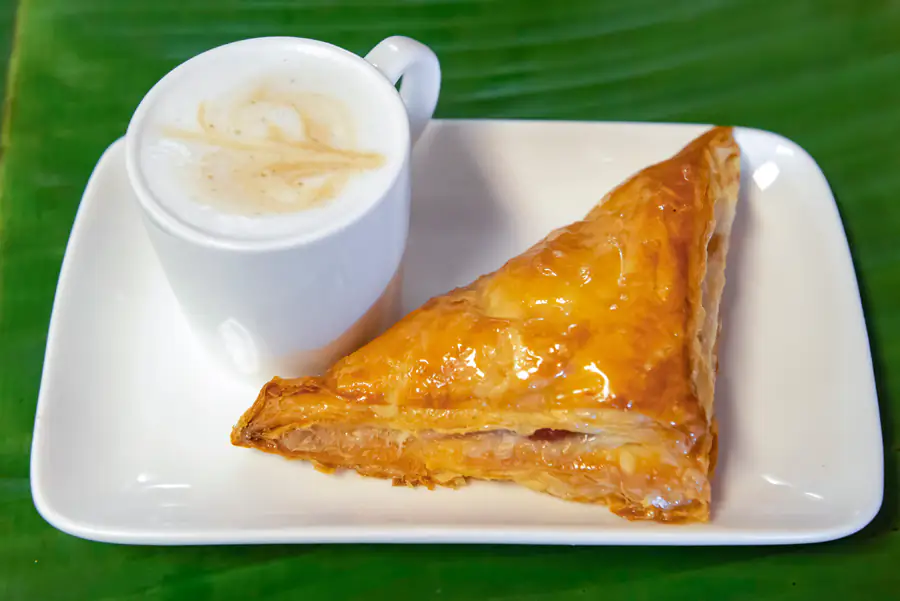
Most customers know pastelitos in broad terms. They see a golden laminated pastry and identify it as guava, cheese, or guava and cheese. That is the starting point, not the full category. The best bakeries treat these pastries as a family rather than a single item, and that is where the overlooked choices appear.
Guava and cheese gets the spotlight because it is easy to understand. It is sweet, creamy, and familiar even to first-timers. The sleeper hit is often the version with coconut, or one filled with a lightly spiced fruit preparation that is less sugary and more aromatic. If you ever see a meat pastelito, especially one with seasoned ground beef, it is worth your attention. A savory filling inside a flaky pastry sounds straightforward, but when it is done well, it becomes one of the best things in the case. The exterior shatters slightly. The filling stays moist without soaking the layers. You get richness without heaviness.
There is judgment involved here. A pastry can be too sweet, too dry, or underbaked in the center. The good versions avoid all three. The top should have color, the bottom should not feel greasy, and the filling should stay in proportion to the dough. Plenty of bakeries can make an attractive pastry. Fewer can make one you want to eat all the way to the final corner.
If you are at a Cuban bakery Aurora CO residents recommend for breakfast, ask what came out recently rather than defaulting to what is most visible. Turnover matters. A fresh tray transforms an item that can otherwise seem ordinary.
Not every great order has to be sweet
One of the most underappreciated parts of a Cuban bakery is the savory side of the menu. People often file bakeries into the dessert category and move on. That is a mistake. Some of the most satisfying bites come from the hot case, and they do not always announce themselves loudly.
Croquetas are the classic example. Everyone has heard of them, but not everyone orders them, and many people have only had mediocre versions. A great croqueta should feel light despite being fried. The shell needs crispness, but the interior should stay creamy, almost whipped in texture, with enough ham, chicken, or cod character to keep it from tasting like filler. They are easy to underestimate because they are small and inexpensive. They are also easy to do poorly. If the interior is pasty or the exterior goes limp after two minutes, they stop being memorable.
Then there are empanadas, which can range from serviceable to exceptional. At a good bakery, the distinction often comes down to seasoning and dough. Beef filling should taste simmered, not merely salted. Chicken should not read as an afterthought. Cheese should have enough tang to wake up the pastry around it. The best empanadas hold together cleanly but still feel tender. If you bite into one and the crust flakes in a controlled way rather than exploding into your lap, that is usually a good sign.
Stuffed potato balls deserve more love too. Papa rellena often gets overlooked because it sounds heavy on paper, and sometimes it is. But a balanced version, with seasoned mashed potato around picadillo, can be one of the best lunch items on the menu. The potato should taste like potato, not just a neutral casing. The beef center should bring cumin, garlic, maybe a touch of pepper, and enough savoriness to carry the whole thing.
Cuban bread is not just a vehicle
Ask people what makes a Cuban sandwich special and they will usually start with the fillings. Ham, roast pork, Swiss cheese, mustard, pickles. All true, none sufficient. The bread is the difference between a forgettable sandwich and a bakery-level one.
Fresh Cuban bread has a specific charm. It should be light enough to compress under the press but substantial enough to rebound a little at the edges. The crust should crackle without turning into a jaw workout. The crumb should absorb juices without becoming soggy. That combination sounds simple until you try to find it outside a bakery that takes bread seriously.
This matters because some hidden gems are not exotic menu items at all. Sometimes the overlooked order is simply a less famous sandwich on that same bread. A medianoche, for example, is often passed over by customers who know the Cuban sandwich by name and stop there. The medianoche uses a softer, sweeter bread, and that subtle sweetness changes the whole profile. Ham and pork taste rounder. Mustard reads sharper. Melted cheese stretches differently. It lands closer to comfort food than lunch counter staple.
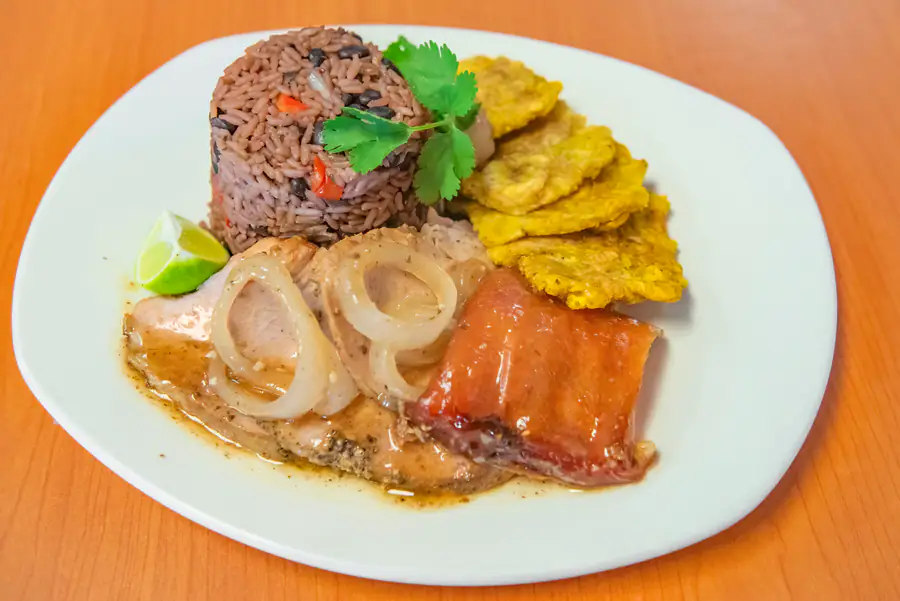
Pan con lechón is another one to watch for. It strips the idea back to its strengths. Good roast pork, onions, bread, maybe a little mojo influence, and very little clutter. If the pork is moist and the onions are properly seasoned, it can outshine a more elaborate sandwich. That kind of order tends to appeal to regulars because it reveals whether the kitchen handles its basics well.
A bakery that makes strong bread also tends to do breakfast better than expected. A simple toasted roll with butter and coffee can be more satisfying than a larger, busier plate. That may not sound like a hidden gem until you try it on a cold morning and realize how much flavor can live inside toast, salt, and steam.
The pastry case usually hides at least one old-school favorite
Some bakery items are overlooked for the opposite https://caidenxixj311.quillnesty.com/posts/where-aurora-co-finds-authentic-cuban-pastries reason: they look too plain. They are not photogenic enough for social media, and they do not come with obvious novelty. Those are often the pieces that regular customers buy by the half dozen.
Torrejas, bread pudding, flan, and arroz con leche can all fall into this category, depending on the bakery. None of them needs gimmicks. They rely on texture, restraint, and the confidence to stop short of oversweetening. Flan is a particularly useful test of kitchen discipline. The best versions are silky without feeling gelatinous, rich without becoming eggy, and balanced by caramel that tastes slightly bitter in the right way. Bad flan can be cloying. Good flan disappears fast.
Bread pudding is similar. At a strong bakery, it should taste like yesterday’s bread was promoted rather than rescued. There is a difference. You want custard in the center, texture on top, and enough spice or fruit to keep each bite distinct. A bakery with a deep bench often treats these modest desserts with as much care as its laminated pastries, and that care shows.
Arroz con leche may not grab your eye from across the room, but it can be one of the most comforting desserts available. The best bowls or cups avoid the common mistake of reducing everything to sweetness. You want rice that still has structure, milk that has thickened naturally, cinnamon that perfumes instead of dominates, and a finish that feels warm even when served cold.
Coffee can be the hidden gem all by itself
People use the word coffee loosely in bakery settings. At a Cuban bakery, coffee usually carries more social weight than that. It is not just a beverage attached to breakfast. It is part of the rhythm of the room.
If you are new to the menu, it helps to know the distinctions:
- Cafecito is small, strong, sweet, and meant to wake you up fast.
- Cortadito cuts espresso with steamed milk and smooths the edges without muting the flavor.
- Café con leche gives you a gentler, longer drink that pairs well with toast or pastries.
- Colada is the communal order, stronger and larger, often served with small cups for sharing.
The hidden gem here is often not the fanciest preparation but the smartest pairing. A guava pastry with cafecito can be excellent, but so can a savory croqueta with cortadito. The milk tempers salt and smoke nicely. Café con leche with buttered Cuban toast is classic for a reason, but it also works beautifully beside bread pudding if you want a late-morning treat that leans more restorative than indulgent.
A practical note from experience: sweetness levels matter. Traditional Cuban coffee drinks can be sweeter than some customers expect. If you usually drink unsweetened espresso, ask how the house prepares it. Some bakeries sweeten certain drinks by default. That is not a flaw, it is part of the style, but it helps to know before you order.
The best hidden gems often depend on timing
A menu is only half the story. The clock does the rest. One reason people miss the best items at a Cuban bakery in Aurora CO is that they shop by convenience rather than by bake cycle. A pastry that sat for hours under bright lights will never tell the same story as one that hit the tray twenty minutes earlier.
Morning favors laminated pastries, toast, and coffee drinks. Midday is where sandwiches, croquetas, empanadas, and potato balls usually shine. Early afternoon can be ideal for custards and rice puddings, especially if you want a quieter visit and a better chance to ask questions at the counter.
That human interaction matters more than many people think. Bakery staff often know what moved fastest that morning, what just came out, and what item regulars quietly grab before it is gone. If you ask, politely and specifically, you tend to get better guidance than any printed menu can offer.
What regulars usually notice first
Regular customers are often less interested in variety than consistency. They return because certain details hold steady across visits. The guava filling tastes like guava rather than generic jam. The bread has a proper crust. The roast pork is not drying out under heat lamps. The coffee lands where it should every time.
That consistency creates trust, and trust leads people to branch out. Someone who starts with a Cuban sandwich might later try a medianoche. Someone who grabs a cheese pastry might finally order the coconut version. Over time, the “hidden gem” label shifts from a specific product to a whole mode of ordering. You stop hunting only for signature items and start reading the bakery in a more informed way.
That is also where regional context matters. A Cuban bakery Aurora CO diners love may serve a broad audience, which means the menu can reflect both tradition and adaptation. You may find familiar staples beside items adjusted for local demand or daily production realities. That is not automatically a compromise. Sometimes it is a strength. A bakery that listens to its neighborhood without flattening its identity tends to last.
A few smart ways to order if you want the best experience
If you are trying a Cuban bakery for the first time, or trying to move beyond your usual order, a little strategy helps.
- Order one sweet item and one savory item instead of doubling down on a single category.
- Ask what is freshest right now, not what is most popular in general.
- If you want a sandwich, pay attention to the bread first.
- Try at least one coffee in the traditional style before modifying it heavily.
- Buy an extra pastry to eat later, because some favorites reveal themselves on the second try.
That last point may sound minor, but it is real. Some bakery foods impress instantly with heat and aroma. Others build appreciation more slowly. A chilled slice of flan after dinner or a room-temperature guava pastry with afternoon coffee can hit differently than the same item eaten in a rush at the counter.
How to tell whether a bakery’s hidden gems are worth chasing
Not every lesser-known menu item is secretly excellent. Sometimes it is overlooked because it is merely fine. The challenge is separating genuinely special items from filler. A few clues help.
Look at turnover. Trays that empty and refill quickly usually indicate demand and freshness. Listen to what staff recommend when pressed beyond the usual top sellers. Watch what customers who seem familiar with the place order without hesitation. If several people come in and buy the same less flashy item, that is useful information.
Texture is another giveaway. Skilled bakeries understand contrast. Crisp against creamy, flaky against sticky, crust against tender crumb. When an item lacks that contrast, it often feels flat no matter how good the flavor sounds on paper. This is why bread, crust, and frying discipline matter so much on Cuban bakery menus. They are not side issues. They are the architecture.
Price can also be deceptive. Some of the best hidden gems cost less than the marquee items. A croqueta, a piece of toast, a cup of arroz con leche, or a simple pastry may deliver more satisfaction than something bigger and more expensive because it is executed with more precision.
Why these overlooked items matter
There is a broader reason hidden gems deserve attention. They reveal the bakery’s point of view. A signature sandwich tells you one thing. A careful flan, a properly fried potato ball, or a tray of fresh medianoches tells you much more. It shows whether the place values the full tradition or only the most marketable parts of it.
That matters in a city like Aurora, where people can choose from an unusually wide range of cuisines and bakery styles. A Cuban bakery earns loyalty by doing more than checking the expected boxes. It needs to offer a sense of place, a sense of routine, and a sense that someone in the kitchen still cares about details small enough to escape casual notice.
When you find a bakery that gets those details right, the hidden gems stop feeling hidden. They become the reason you return. You go back for the pastry with the filling you cannot quite find elsewhere. You go back for bread that tastes alive when pressed. You go back for coffee that arrives sweet, dark, and exactly right for the weather outside. You go back because the menu has more to say than it says at first glance.
That is the pleasure of exploring a true Cuban bakery Aurora CO locals trust. The best discovery is rarely the loudest one. It is the item with the quiet confidence to win you over bite by bite, until it becomes the thing you recommend to the next person standing at the case, wondering what they are missing.
Cuba Bakery & Café
15028 E Mississippi Ave, Aurora, CO 80012
+1 303-752-2822
FAQ About Cuban bakery Aurora CO
What are Cuban pastries called?
Many small Cuban pastries are called pastelitos. They can have sweet or savory fillings, such as guava, cheese, guava and cheese, or seasoned meat. Cuba Bakery & Café lists guava, cheese, guava-and-cheese and beef pastries on its menu. Ask the bakery about current availability and ingredients when ordering.
What are traditional Cuban pastries?
Common Cuban bakery choices include flaky pastelitos filled with guava, cheese or meat. Cuban bakeries may also offer empanadas, breads and desserts alongside coffee. Cuba Bakery & Café lists pastelitos, several empanada fillings, pan Cubano and desserts such as tres leches and bread pudding. Selection can vary, so confirm the day's choices with the bakery.
What makes Cuban bread different?
Cuban bread is known for its light interior and a thin crust that becomes crisp when toasted or pressed. Traditional recipes often use lard, although ingredients vary by baker. It is commonly served as buttered toast or used for Cuban sandwiches. Cuba Bakery & Café lists pan Cubano and tostada on its menu; ask staff about the ingredients in their bread if you have dietary restrictions.