Drunken Noodles with Garlic Sauce and Thai Basil

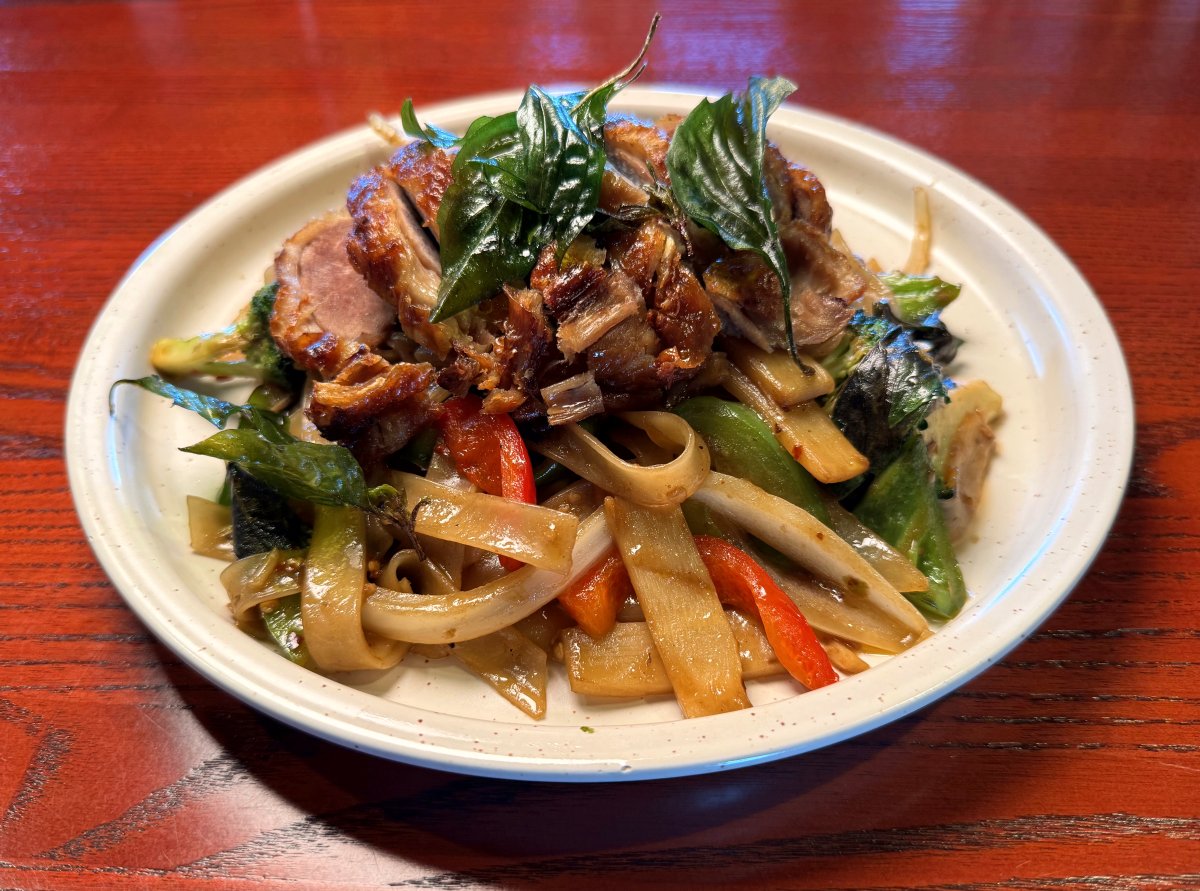
Drunken Noodles are one of those dishes that look casual on the plate and demand real precision in the pan. The noodles should be glossy, not greasy. The sauce should hit sweet, salty, and spicy in quick succession, with enough depth from garlic to keep the dish from tasting flat. Thai basil should arrive at the very end, still vivid and aromatic, so the whole bowl smells alive before the first bite.
That balance is what makes this version worth cooking at home. A lot of restaurant Drunken Noodles lean heavily on sugar or oil, or they bury the basil under too much soy. Some underplay the garlic, which is a mistake. When garlic is treated as more than a background note, the sauce gains body and character. It clings to the noodles better and stands up to the heat from fresh chiles. The result is a plate of Drunken Noodles that feels bold and direct, with chew from the rice noodles, fragrance from the basil, and just enough sauce to coat every strand without pooling underneath.
The dish most people know as Drunken Noodles is often associated with pad kee mao, the Thai stir-fry built around wide rice noodles, basil, chiles, and a robust sauce. Exact origin stories vary, and many are more folklore than hard history. What matters in the kitchen is the style: high heat, fast cooking, assertive seasoning, and ingredients that keep their own identities instead of melting into a uniform mass.
The flavor profile that makes Drunken Noodles work
At its best, Drunken Noodles taste layered rather than loud. Yes, they are often spicy, but spice alone is not the point. The first impression should be savory and aromatic. Garlic lands early. Soy-based seasoning brings salt and color. A touch of sugar rounds the corners. Thai basil lifts everything at the end with its faintly peppery, anise-like note.
That last detail matters more than people expect. Italian basil can give you a decent stir-fry, but it does not quite create the same dish. Thai basil has a sturdier leaf and a sharper aroma, so it survives a hot toss in the wok without disappearing. You still want to add it late, but it can handle those last few seconds of heat in a way sweet basil cannot.
The sauce should not be syrupy. This is not a sticky noodle dish. A good Drunken Noodles sauce looks thin in the bowl and then turns glossy once it meets the starch on the noodles. That transformation is one of the keys to getting a restaurant-style finish at home. Rice noodles release surface starch quickly, and when the heat is high enough, that starch helps the sauce cling.
Garlic plays a bigger role here than the title might suggest. In many home versions, cooks toss in a little chopped garlic at the start and call it done. I prefer a more deliberate approach: enough garlic to be unmistakable, sliced or roughly chopped rather than finely minced into paste. That way it perfumes the oil, softens slightly, and still leaves small, savory pieces throughout the dish. You taste it, not just the memory of it.
The ingredients that matter most
You do not need a long shopping list to make excellent Drunken Noodles, but a few ingredients deserve real attention.
- Wide rice noodles, fresh if available, dried if not
- Thai basil, not standard sweet basil if you can help it
- Garlic, plenty of it, fresh and firm
- Fresh chiles, such as Thai bird's eye or serrano
- A sauce base built from soy sauce, oyster sauce, and a little sugar
Fresh rice noodles are a luxury and a convenience. They have a soft, springy texture that is hard to beat, and they only need to be separated before cooking. If you have access to them from an Asian market, buy them. If not, dried wide rice noodles are perfectly workable, but they need careful soaking or boiling. Overcook them even slightly and they will tear apart in the wok. Undercook them and they will resist the sauce and feel chalky at the center. The sweet spot is a noodle that is pliable and nearly done before it hits the pan, because it will finish cooking in the sauce.
As for protein, there is room for choice. Chicken is common and forgiving. Thinly sliced beef adds richness. Shrimp cook quickly and pair well with garlic and basil. Tofu can be excellent, but it needs proper browning and a bit of patience. If the pan is crowded or the tofu is too wet, it steams and tastes bland. I often steer people toward chicken for their first batch because the timing is easier to control.
Vegetables should support the dish, not overwhelm it. Onion adds sweetness once lightly charred at the edges. https://alexisnfrv553.keystonescope.com/posts/how-to-cook-drunken-noodles-without-a-wok Bell pepper contributes color and crunch. Chinese broccoli is traditional in many versions and brings welcome bitterness. Even tomatoes appear in some renditions, where they soften into the sauce and brighten the whole plate. That flexibility is part of the charm. Drunken Noodles are not fragile. They can absorb variation as long as the core flavors remain intact.
Building a garlic sauce with backbone
A memorable garlic sauce does not mean raw, harsh garlic. It means a sauce that carries garlic through the whole bite. I like to separate the garlic into two roles. Most of it goes into the hot pan to bloom in oil with the chiles. A smaller amount can be stirred into the sauce mixture beforehand, especially if it is grated very fine, so its flavor disperses throughout the liquid. This creates a fuller garlic profile without having to fry huge quantities in the wok and risk bitterness.
For the liquid seasoning, oyster sauce gives body and a slight sweetness. Light soy sauce provides salinity. Dark soy can be used sparingly for color, though too much will dominate. A small amount of fish sauce is useful if you want a more authentic edge, but it should support rather than announce itself. Sugar is not there to make the dish sweet. It is there to stabilize the sauce and help the savory ingredients taste round instead of sharp.
Water or stock is important too. Many home cooks skip this because they worry about making the noodles soggy. In practice, a small splash helps dissolve the sauce and encourages even coating. The noodles absorb some of it almost instantly. What creates sogginess is not a spoonful or two of liquid, but low heat and overworked noodles.
One practical ratio works well for four servings: around three tablespoons oyster sauce, two tablespoons light soy, one teaspoon fish sauce, one to two teaspoons sugar, and a few tablespoons of water. You can adjust from there. If your basil is especially pungent or your chiles are aggressive, a little more sugar can bring the dish back into line. If your noodles are bland, a touch more soy may be necessary. This is the kind of sauce that rewards tasting before it goes into the pan.
Why wok heat changes everything
Drunken Noodles are not difficult, but they are fast. That speed is what trips people up. The dish depends on brief contact with very high heat. You want some char on the onion, a quick sear on the protein, and enough heat to caramelize the sauce on the noodles without boiling it into a puddle.
A carbon steel wok is ideal, but a large skillet can work if you respect its limits. The biggest mistake in a home kitchen is trying to cook too much at once. Four restaurant portions can become two home batches, and that is fine. If the pan is overcrowded, moisture collects, the vegetables soften too early, and the noodles clump instead of fry. Splitting the recipe often produces a better dinner in the same amount of time.
Mise en place is not optional here. Sauce mixed, noodles loosened, basil picked, vegetables sliced, protein ready. Once the garlic hits the oil, you are moving in minutes, not in leisurely stages. This is a dish that punishes hesitation. I have watched capable home cooks lose control of the pan simply because they stopped to open a sauce bottle mid-cook. By the time they got back, the garlic had crossed from fragrant to bitter.
The other heat-related issue is noodle handling. Rice noodles are fragile when hot. Toss them enough to coat and separate, then stop. If you keep stirring as if you were making a risotto, they break. Wide noodles should fold and ripple through the pan, not turn into short strips.
How to cook it without losing the plot
The sequence below keeps the ingredients distinct and the sauce balanced. It also limits the amount of time the basil and noodles spend under direct heat.
- Soften or prepare the noodles, mix the sauce, and have all aromatics, vegetables, and protein ready before you heat the pan.
- Sear the protein first in a little oil, remove it when nearly cooked, then add more oil and cook the garlic and chiles until fragrant.
- Add onion and other firm vegetables, stir-fry over high heat until lightly charred but still crisp.
- Return the protein, add the noodles and sauce, and toss just until the noodles are glossy and heated through.
- Add Thai basil at the end, fold it in for a few seconds, then serve immediately.
That is the bare structure, but there is a lot of judgment inside each step. Protein should be nearly cooked when it leaves the pan the first time because it will finish later. Garlic should be blond and aromatic, not brown. Vegetables should retain some structure. The finished noodles should feel slippery and elastic, not wet and soft. If the pan looks dry before the noodles are coated, add a tablespoon of water around the edge rather than extra oil. Water loosens the sauce. More oil only makes the dish heavier.
I often tell people to listen as much as they look. When the noodles first hit the pan with the sauce, the sound shifts. At first it is a hiss from surface moisture. A few seconds later, if the pan is hot enough, that sound sharpens and becomes more urgent as the liquid reduces and the noodles begin to fry. That is usually the moment to toss, coat, and get out.
A home kitchen version that still tastes restaurant-worthy
For four generous servings, use about twelve to fourteen ounces of wide rice noodles, eight to ten ounces of sliced chicken thigh or breast, four to six large cloves of garlic, two to four fresh chiles depending on heat tolerance, half an onion, one bell pepper, and a large handful of Thai basil. The sauce proportions given earlier are enough, though I sometimes increase oyster sauce slightly if I am using a lot of vegetables.
Chicken thigh is especially good here because it stays juicy under high heat and picks up char well. Breast meat works if sliced thinly and not overcooked. If using shrimp, cook them very briefly at the start and remove them the moment they curl. With tofu, press it well and brown it in a separate first step so it has a chance to develop real texture.
Fresh noodles need to be separated gently. If they are stuck together, a short burst in the microwave or a few minutes at room temperature usually helps. Dried noodles should be cooked just shy of done, then rinsed briefly if necessary to stop carryover cooking. I do not always rinse rice noodles, but if they are on the edge of overcooked, a quick rinse can save the batch.
When I make this dish at home, I usually keep the vegetables modest and let the noodles dominate the plate. Too many vegetables dilute the identity of Drunken Noodles. This is not a vegetable stir-fry with noodles added for bulk. It should feel like a noodle dish first.
Mistakes that flatten the dish
The most common problem is too much sauce. People see the noodles absorb liquid and assume they need more. They often do not. A properly dressed batch should look glossy and well seasoned, not drenched. Excess sauce collects at the bottom and makes the final bites salty and muddy.
Another issue is timid seasoning. Rice noodles are bland by nature, and a dish named Drunken Noodles should not taste shy. If the first bite feels dull, it is usually missing salt, basil, or chile heat. The fix is not always more soy. Sometimes a few torn basil leaves and a pinch of sugar wake it up better than another splash of salty liquid.
Then there is the basil timing. Add it too early and it turns dark, limp, and faint. Add it at the very end and it perfumes the whole dish. This sounds like a minor point until you compare the two side by side. The late-added basil version tastes brighter and more specific, like itself.
Finally, there is the matter of pan size. Even a good cook can fail with a pan that is too small. If the noodles are steaming, not searing, the dish loses edge. When in doubt, cook less at once.
Useful adjustments for different preferences
Some cooks want Drunken Noodles very spicy, others only moderately so. The easiest way to manage heat without distorting flavor is to adjust the fresh chiles and keep the garlic, soy, oyster sauce, and basil at full strength. Reducing the sauce to accommodate lower spice usually leaves the dish tasting weak. Lower the chile load instead.
If you prefer a smokier finish, let the noodles sit in the pan for ten to fifteen seconds before tossing the final time. That encourages a little caramelization where they touch the hot surface. Do not overdo it, because burned rice noodles turn unpleasant fast.
For a more vegetable-driven version, Chinese broccoli is a strong addition because it brings bitterness and crunch without watering down the sauce. Mushrooms can work too, though they release enough moisture that you may need a hotter pan or a smaller batch. Zucchini, by contrast, tends to soften too quickly and can make the dish feel watery.
A vegetarian version is completely possible. Use tofu, replace fish sauce with soy or a vegetarian alternative, and choose a vegetarian oyster-style sauce if needed. The important part is maintaining umami depth. Without it, the dish can taste fragrant but thin.
What to serve with it, and what not to overthink
Drunken Noodles are usually satisfying enough to stand alone. They already contain starch, aromatics, vegetables, and often protein. If you are serving a broader meal, keep the sides light. Something crisp and acidic works better than another heavy stir-fry. A simple cucumber salad, lettuce leaves with herbs, or a clean broth can all make sense.
What I would not pair with it is an overly sweet side dish. The noodles already carry sweetness in the sauce, and adding more can blur the savory-spicy contrast that gives the dish its tension. The same goes for rich coconut curries. Delicious on their own, yes, but together the meal can become heavy and repetitive.
For leftovers, the dish is best eaten the same day, but it reheats better than people expect if done quickly in a hot pan. The microwave softens the noodles too much. A skillet with a teaspoon of water revives the sauce and wakes up the garlic. Fresh basil added after reheating helps restore some aroma.
Why this version keeps people coming back
There is a reason certain noodle dishes become regular cravings. They are not merely comforting. They are dynamic. Drunken Noodles bring chew, heat, sweetness, salt, and herbaceous lift into one bowl, and each bite changes slightly depending on whether you catch a piece of garlic, a basil leaf, a seared bit of onion, or a hotter slice of chile.
A garlic-forward version intensifies that appeal because garlic gives the sauce a center of gravity. It turns what could be a generic stir-fry into something more grounded and memorable. Pair that with Thai basil, and the dish gets the freshness it needs to stay lively from first bite to last.
Cooked well, Drunken Noodles do not feel fussy. They feel immediate, almost instinctive, as if the pan knew where it was headed all along. That is part of their charm. Underneath the speed and heat, though, there is craft: choosing the right noodle texture, balancing the sauce, respecting the basil, and knowing exactly when to stop tossing and start serving.
That last decision is the one that separates a decent plate from a very good one. When the noodles are glossy, the garlic is fragrant, the basil has just wilted, and the sauce clings without drowning, take the pan off the heat and get them to the table. Drunken Noodles wait for no one, and they are better for it.
Nakhon Luang Thai Kitchen
Address: 805 Village Center Dr, Colorado Springs, CO 80919
Phone number: +17195315175
FAQ About Drunken Noodles
What makes it drunken noodles?
Drunken noodles, or Pad Kee Mao, get their name from the Thai word khi mao (meaning "drunkard"). They contain no alcohol. The name comes from the idea that the dish is a popular late-night meal to cure a hangover or a great food to eat with a cold beer.
What is the difference between pad see ew and drunken noodles?
While both Pad See Ew and Drunken Noodles use the same wide rice noodles, Pad See Ew is a mild, sweet-savory dish made with dark soy sauce and Chinese broccoli, whereas Drunken Noodles (Pad Kee Mao) are fiery, garlicky, and herbaceous with fresh chilies and Thai basil.
What are traditional drunken noodles?
Traditional drunken noodles, known as Pad Kee Mao in Thai, are a fiery, savory street food stir-fry made with wide flat rice noodles, fresh garlic, lots of hot chilies, meat or tofu, and fragrant holy basil. Despite the name, they contain no alcohol; the dish is traditionally eaten late at night or as a hangover cure because the intense spice helps clear the head.