Bar With Private Room Ideas for Creative Social Events
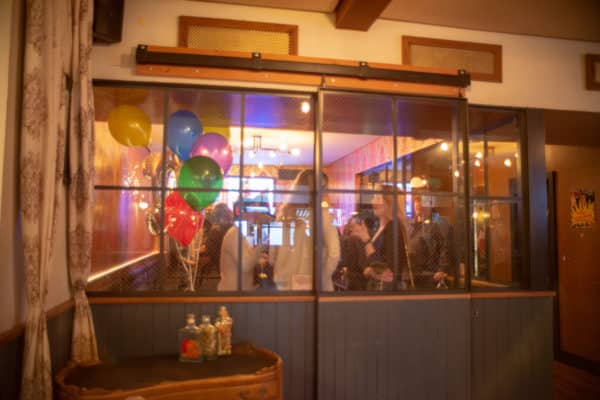
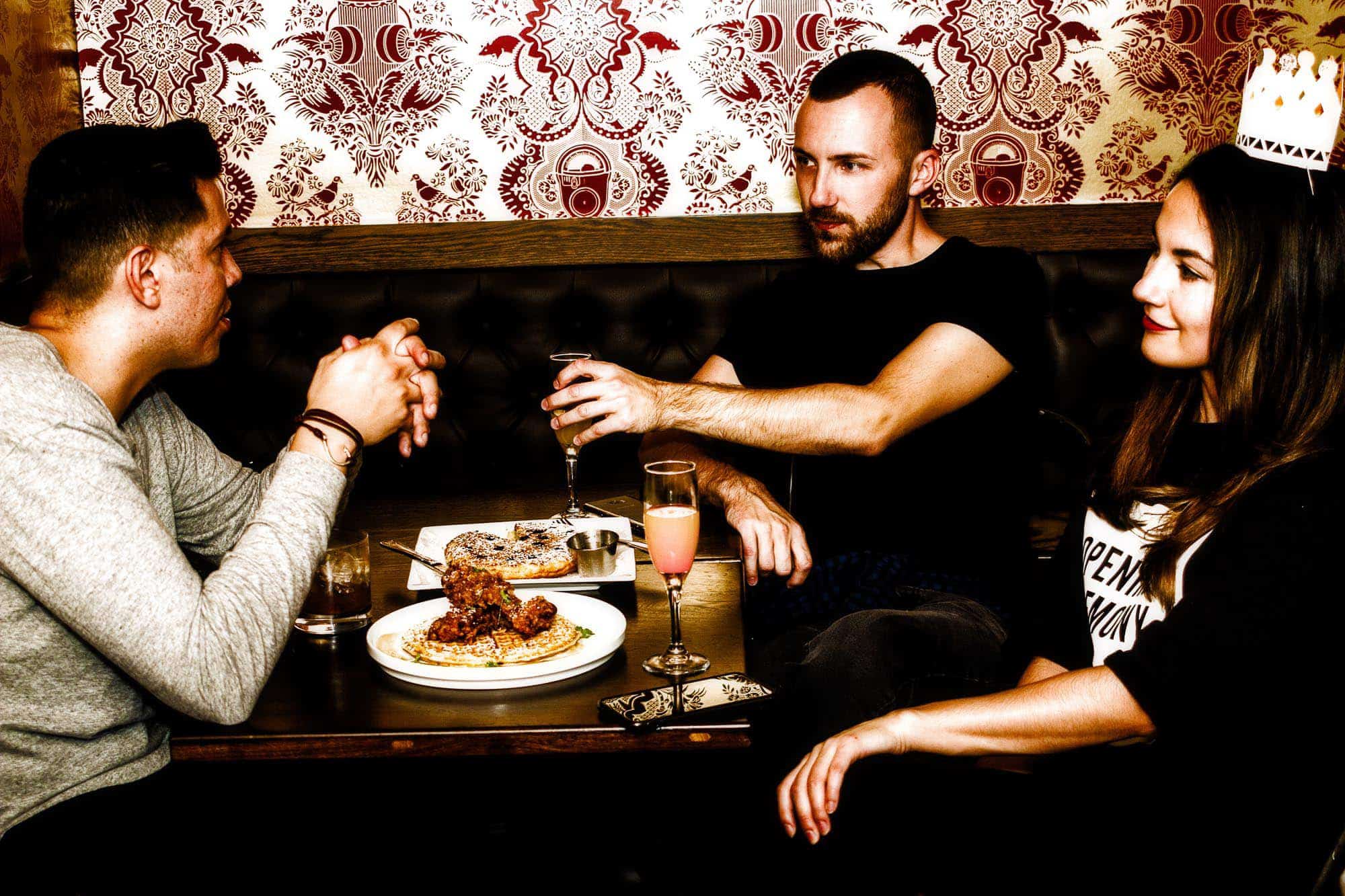
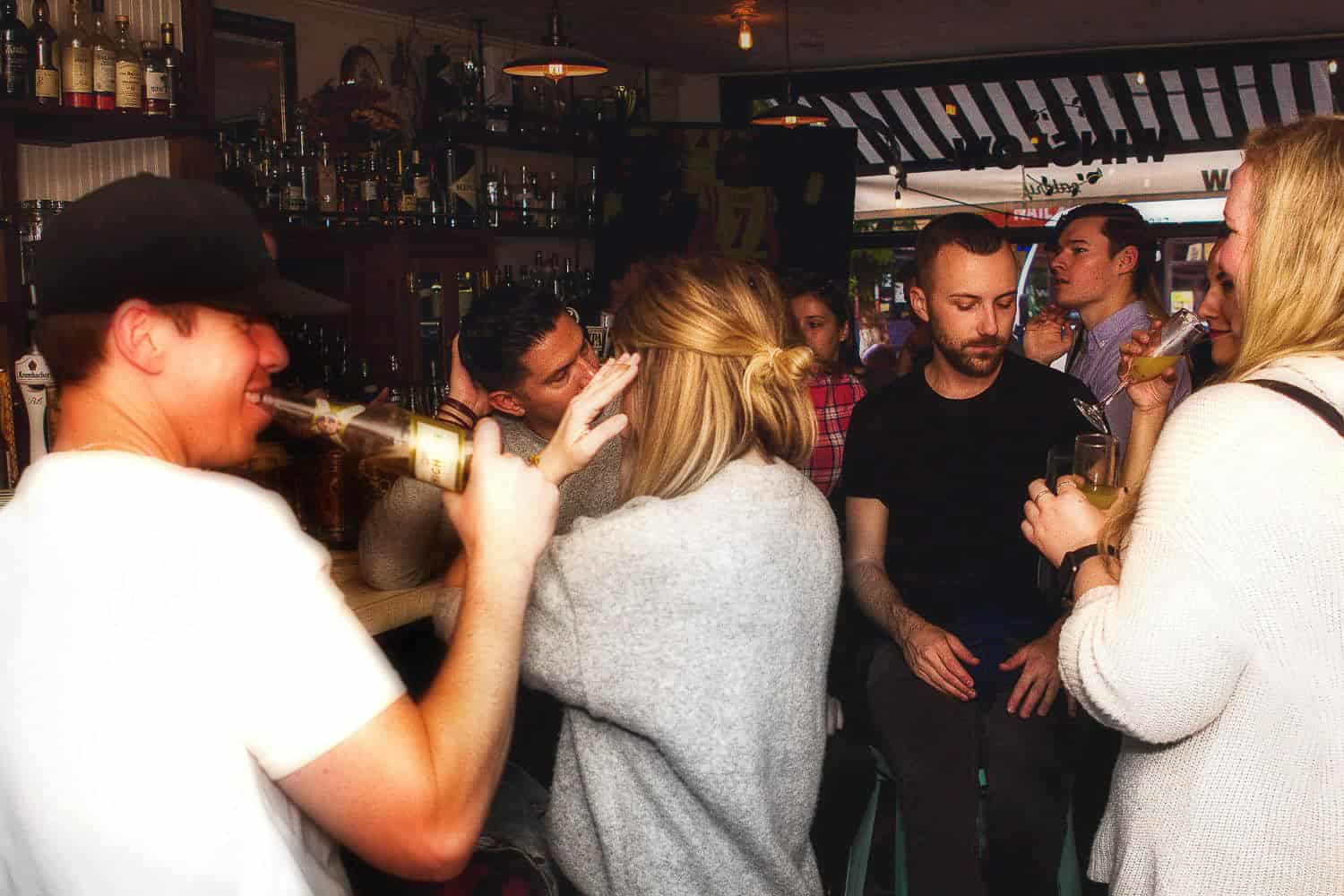
A good social event lives or dies on atmosphere. Not just the playlist, not just the drinks, and definitely not just the guest list. Atmosphere comes from how a space shapes behavior. People loosen up when they feel tucked away from the main crowd but not sealed off from the energy of the night. That is exactly why a bar with private room can be such a useful setting for creative social events.
I have seen the difference firsthand between events held in generic rented halls and those staged in thoughtfully chosen hospitality spaces. A plain function room often puts people into conference mode, even when the host is trying for something more relaxed. A private room inside a bar creates a different social script. Guests arrive expecting conversation, movement, music, and a little spontaneity. That expectation matters. It lowers resistance and makes participation easier, especially for events that ask people to do something beyond standing around with a drink.
The phrase "creative social event" covers a wide range. It can mean a birthday with a custom cocktail workshop, a networking night built around collaborative games, a rehearsal dinner with live sketch artists, or a team celebration that swaps speeches for tasting stations and music cues. What links them is intentional design. The host wants guests to do more than simply attend. They want them to interact, remember, and talk about it afterward.
Choosing the right bar with private room gives you a head start. The room becomes part of the programming. Done well, it can make even a simple idea feel polished.
Why a private room changes the energy
Most bars are designed for circulation, not concentration. People drift from the entrance to the counter, from the counter to a stool, from there to wherever they can hear the person next to them. That is great for casual nights out. It is less useful when you need a group to gather around a shared experience.
A private room solves that tension. You still get the hospitality backbone of a bar, staff who understand pacing, beverage service, mood lighting, and guest flow, but you gain a contained setting where the event has its own identity. If you are running a creative format, that https://www.google.com/maps?cid=9305732499708573250 separation gives structure without making things stiff.
There is also a practical upside. In a standard open bar environment, every announcement competes with background noise. Every activity has to fight for attention. In a private room, you can control transitions. You can raise the lights for a hands-on moment, lower them for a performance, pause the music for a toast, then bring energy back. That kind of control is often what turns a decent event into a memorable one.
The size of the room matters too. A room for 15 to 25 guests creates one kind of chemistry, intimate, conversational, easy to orchestrate. A room for 40 to 60 can support more dynamic programming, live musicians, food stations, mini workshops. Bigger is not always better. In fact, hosts often overbook square footage and lose the sense of closeness they were hoping for.
The best creative events start with one clear social mechanic
When people say they want a unique event, what they often mean is that they want guests to engage naturally. Novelty on its own is not enough. I have seen hosts spend heavily on décor and gimmicks, only to discover the room still split into familiar clusters within twenty minutes. Creativity needs a social mechanic, a simple reason for guests to mingle, participate, or pay attention.
A bar with private room is especially good when that mechanic can be woven into food, drink, sound, or shared space. Cocktail-making works because it gives guests something to do with their hands while talking. Trivia with custom questions works because people collaborate and reveal parts of themselves. A tasting flight works because it provides an easy topic of conversation for guests who do not know one another well.
If you are planning the event, start by asking a more useful question than "What would be fun?" Ask, "What behavior do I want in the room?" Do you want movement, deeper conversation, playful competition, storytelling, or light participation with no pressure? Once that is clear, your venue decisions become much easier.
Event concepts that fit a bar setting particularly well
Some event ideas sound exciting in theory but do not suit the acoustics, service rhythm, or physical layout of a hospitality venue. Others feel almost tailor-made for it. These are the concepts I see work consistently in a bar with private room, especially when hosts want personality without chaos.
-
Cocktail lab night
Guests rotate through a guided tasting and build one custom drink with a bartender. This format works best for groups of 12 to 30. Bigger than that, and the waiting time can flatten the mood unless you add a food element or side activity. -
Themed listening party
A private room with solid sound control can become a music-led experience, whether that is vinyl storytelling, an album anniversary night, or a curated playlist event tied to a birthday or brand. The key is seating that allows both listening and conversation. -
Creative networking salon
For professional groups, a rigid networking mixer often feels transactional. A salon format, with prompt cards, a brief host-led segment, and shared tasting pours, usually produces better conversation and less awkward circling. -
Game-forward celebration
This can mean tabletop games, trivia, murder mystery elements, or team challenges. It works best when the room has enough table surface and staff understand that service should complement gameplay rather than interrupt it. -
Micro performance night
Poetry, acoustic sets, short comedy spots, storytelling, or even a live illustrator can transform a private room. The room needs strong sightlines and a clear "focus wall" so people know where to look when the performance starts.
Each of these concepts benefits from the built-in pleasures of a bar setting, drinks arriving at the right pace, warm lighting, and a social expectation that the evening will unfold rather than run on a minute-by-minute agenda.
What to look for in a bar with private room
Hosts often fixate on décor first. It is understandable. Photos are easy to compare, and attractive rooms sell themselves online. But visual style is only one piece of the decision. The best venue choice usually comes down to operational details that guests never notice directly, yet feel all night.
2 to 3 service staff can comfortably manage a private room of around 25 to 40 guests if the menu is simple and the room is near the bar. If the venue has a complicated staircase, a satellite service station may matter more than the wallpaper. Sound bleed from the main room can ruin a quiz night or panel talk. Ceiling height can affect whether a room feels intimate or boxed in. Even bathroom access changes the mood. Guests should not have to march through a packed public area every time they step out.
When reviewing options, focus on these practical points:
-
Acoustics and sound control
Ask whether the private room has its own speaker zone, doors that close properly, and a realistic capacity for seated versus standing events. -
Food and drink flexibility
Some bars excel at cocktails but struggle with group food timing. Others can stage excellent sharing menus or tasting stations. Match the venue to the format. -
Room layout options
A room that can shift from mingling to seated conversation is far more useful than one fixed setup. Even moving two tables can change the event. -
Lighting control
Dim light flatters a party, but too little light kills activities that involve writing, reading, games, or making drinks. -
Staff attitude toward custom programming
This is often the deciding factor. A team that likes events and solves problems calmly is worth more than a room with slightly better furniture.
It is also worth asking who else will be in the venue that night. A private room can feel a lot less private if the main bar is hosting a loud sports crowd just outside the wall. I have seen beautifully planned gatherings undercut by a playlist from the public room that was simply too aggressive for the event inside.
Matching the room to the guest mix
Different groups behave differently in the same environment. A creative birthday event for close friends can tolerate a bit of noise, unpredictability, and compressed space. A client-facing salon or a mixed-age family celebration usually needs easier circulation, more seating, and clearer service cues.
If your guest list includes introverts, or people who do not know each other well, the room should offer small pockets for side conversations. Long banquet-style seating can look dramatic but sometimes traps guests in formal patterns. Soft lounge seating feels inviting, yet too much of it can make structured activities impossible. The most versatile private rooms blend perch points, movable chairs, and at least one obvious central area where attention can shift when needed.
Timing matters just as much as design. A bar with private room booked from 6:00 to 9:00 p.m. Will generate different energy than the same room from 8:30 to midnight. Early evening supports guided activities, tastings, and talk-heavy formats. Later slots favor music-led events, dancing, and looser social flow. Neither is better, but they ask different things of the host.
Budget decisions that actually affect the guest experience
When budgets tighten, hosts tend to trim the most visible extras last. They keep the floral installation and cut staffing, or they commission entertainment and reduce food. From experience, those choices can backfire.
Guests forgive simple styling if the room feels smooth and generous. They remember waiting twenty minutes for a drink. They notice if passed appetizers disappear too fast or if there are too few seats for older relatives. Money spent on functional hospitality almost always returns more value than money spent on purely decorative upgrades.
That does not mean you need a luxury venue. Some of the strongest creative events happen in modest spaces with one confident idea executed well. I once attended a 30th birthday in a small upstairs bar room where the entire design premise was "songs that changed our lives." The host had asked guests to submit one track and a two-sentence story in advance. During the evening, cocktails tied loosely to music eras were served, and selected songs were played in sequence with stories read aloud. The room was not extravagant. What made it work was clear pacing, good sound, enough food, and a concept that gave guests something personal to share.
If you have to choose, prioritize these in order: service reliability, room comfort, food and drink quality, sound, then visual extras. Décor should support the idea, not rescue it.
Programming without overproducing
There is a temptation, especially with a private room, to schedule too much. Hosts assume that because they have dedicated space, every minute needs a feature. In practice, the strongest events usually alternate between focus and release.
A cocktail class for 45 minutes can be excellent. A cocktail class followed immediately by trivia, then speeches, then a game, then a performance, becomes work. People need unstructured time to process, mingle, order another drink, and have the kind of conversation that makes the event feel worth attending.
The best pacing often looks almost invisible from the guest perspective. They arrive to a clear first activity, settle into conversation, drift toward a second shared moment, then finish with freer energy as the night opens up. A private room is ideal for this rhythm because the environment can evolve with the event. You might begin with seats clustered around demonstration space, move tables back after the first hour, then cue music a little louder once formal elements are over.
One simple rule helps: every planned segment should earn its place. If an activity does not either connect people, reveal personality, or change the room's energy in a useful way, it is probably filler.
Creative details that guests genuinely notice
Not every detail needs to be big. In fact, smaller tailored touches often land better because they feel specific rather than performative. Guests remember a menu card that references inside jokes, a welcome drink chosen for a reason, or a bartender who knows the one nonalcoholic option was considered with equal care.
If the room allows for it, customize one sensory anchor. That could be a signature scent from citrus peels and herbs at the bar station, a playlist that builds around a theme, glassware that suits the concept, or a visual installation limited to a single backdrop area instead of scattered decorations everywhere. Concentrated choices read as intentional. Random ones read as budget drift.
For corporate or client events, subtlety matters even more. A bar with private room can host an excellent brand gathering, but heavy branding often cheapens the atmosphere. Better to design an experience that reflects the brand voice through tone, hospitality, and one or two custom interventions than to wallpaper the room with logos.
Common mistakes when booking a bar with private room
The most frequent mistake is assuming privacy equals exclusivity. Some venues use the phrase loosely. A curtained alcove near the restrooms is not a private room in any meaningful event-planning sense. Always confirm whether the room has true separation, dedicated service, and a sound profile suitable for your format.
Another mistake is underestimating setup and reset time. If your event needs place cards, game materials, AV checks, gift staging, or decorative touches, ask when access begins. I have watched hosts lose their composure because the previous booking ran late and their room was not available until fifteen minutes before doors opened.
Menu design is another weak spot. People often choose too many food items or too many drink options, thinking variety feels generous. In a private room, variety can slow service. A tighter menu, well executed, usually feels more premium. Three strong passed bites and two dependable larger platters will often satisfy guests better than seven average canapés arriving in no particular rhythm.
The final misstep is ignoring departure behavior. A creative event can end awkwardly if guests are funneled abruptly into a busy main bar, or if the room is needed back immediately and no one planned a soft landing. Think about the last half hour. Will guests stay in the venue, migrate elsewhere, call cars from outside, or move into an open bar area? A graceful finish protects the mood you built.
When the concept should be simpler
Sometimes the smartest use of a bar with private room is restraint. Not every gathering needs a formal activity. If the guest list is strong, the room is attractive, and the occasion already carries meaning, a simpler structure can be more elegant.
This is especially true for milestone birthdays, engagement celebrations, and reunion-style events. In those cases, a strong beverage menu, good shared plates, carefully timed music, and one brief hosted moment may be all you need. Creativity can live in curation rather than programming. The room itself, if chosen well, does a lot of the work.
A bar with private room shines when the host understands what the space is naturally good at. It is not trying to be a ballroom, a black-box theater, or a conference suite. Its strengths are warmth, sociability, flexibility, and a built-in sense of occasion. Lean into those qualities and your event will feel effortless, even if the planning behind it was anything but.
The real advantage of the right venue
People tend to remember social events by fragments. A line they laughed at. A surprising drink. The song that came on at the perfect time. The moment they looked around and felt glad they were there. The right bar with private room creates the conditions for those fragments to happen more often.
That is the real advantage. Not privacy for its own sake, and not trendiness either. It is the combination of hospitality and control. You get the liveliness of a night out and the focus of a hosted gathering. For creative social events, that combination is hard to beat.
When the space fits the guest mix, the service style supports the concept, and the programming respects the natural rhythm of the evening, even a relatively simple event can feel unusually rich. Guests do not leave talking about square footage or rental terms. They leave saying it was a great room, a great night, and somehow unlike the usual thing. That is the mark of a venue choice made with judgment rather than guesswork.
The Winslow
Address: 243 E 14th St, New York, NY 10003
Phone number: +12127777717
FAQ About Bar With Private Room
Which bars in NYC offer private rooms?
Many bars in New York City offer private and semi-private rooms for parties and events, ranging from hidden basement speakeasies to upscale lounge spaces. Top options include The Back Room on the Lower East Side, Dear Irving Gramercy, Pebble Bar in Midtown, Mister Paradise in the East Village, and The Winslow in the East Village.
What is a private room in a pub called?
A small, private seating area or partitioned booth in a traditional pub is most commonly called a snug. Larger private rooms used for events, parties, or dining are typically referred to as private dining rooms, function rooms, or back rooms.
How much does a 2 hour open bar cost?
A 2-hour open bar generally costs between $15 and $45 per person, depending heavily on the quality of alcohol you choose. For a standard group of 100 guests, this translates to an overall cost of $1,500 to $4,500 before taxes, setups, and staff gratuities.